

























































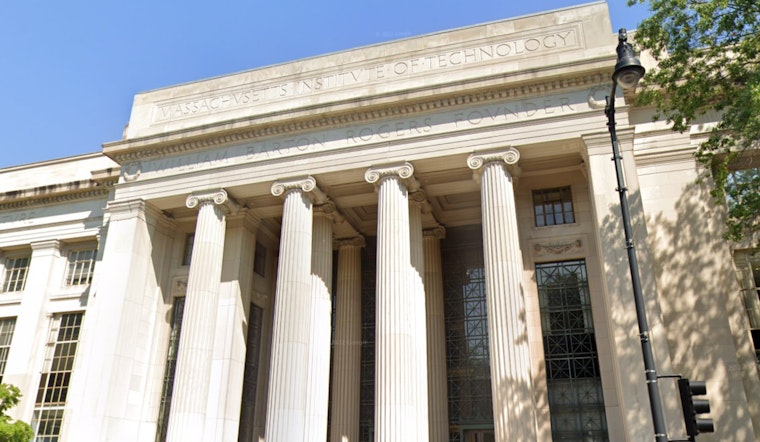
In a significant step forward for biomedical research, MIT scientists have developed a new computational model that can predict antibody structures with a higher degree of accuracy than previous methods. This advanced technique, primarily tailored to tackle the complexities of the hypervariable regions of antibodies, could be a game-changer for the development of treatments against infectious diseases like SARS-CoV-2.
The core of this innovation lies in adapting artificial intelligence modalities, specifically large language models that are traditionally used in text analysis. Though successful in predicting protein structures based on their amino acid sequences, these models have historically stumbled when applied to antibodies, partly due to the immense variability in their structure. However, MIT's model, coined AbMap, has now demonstrated significantly improved efficacy in this realm, according to MIT News.
"Our method allows us to scale, whereas others do not, to the point where we can actually find a few needles in the haystack," Bonnie Berger, the Simons Professor of Mathematics at MIT and a senior author of the study, told MIT News. The enhanced predictive ability of AbMap could save pharmaceutical companies significant resources by highlighting viable antibody drugs early in the research process, circumventing costly clinical trials of less promising candidates.
To date, modeling proteins has seen a leap in efficiency with the advent of AI programs such as AlphaFold, but their counterparts, antibodies, have presented a stiffer challenge due to their hypervariable regions that consist of fewer than 40 amino acids and can range up to a quintillion different combinations. This variability defies the evolutionary constraints that make other proteins more predictable. However, by creating two additional modules trained on both antibody structures and their corresponding antigen-binding affinities, MIT researchers have managed to push the envelope for antibody structure prediction. This approach not only highlights candidates with strong binding to specific targets but also clusters antibodies into groups by similar structures for more efficient analysis.
Beyond streamlining drug discovery, the AbMap model has the potential to shed light on personalized immune responses against diseases like HIV, where the reasons behind differences in antibody effectiveness remain elusive. By analyzing entire antibody repertoires from individuals, researchers can now employ a structure-based view of immune defense, offering insights into overlapping immune responses that were not readily apparent through sequence-based analysis alone. For instance, Bryan Bryson, an associate professor of biological engineering at MIT and a senior author of the study, highlighted the advantage of this structural information, "They don’t want to put all their eggs in one basket," in a nod to pharmaceutical companies' needs to consider multiple candidates during the drug development process, as noted by MIT News.
This research, which appeared in the Proceedings of the National Academy of Sciences, marks not only a technical triumph in the field of computational biology but also a beacon of hope for future therapeutic discoveries, especially as the global community grapples with persistent and emerging infectious diseases. With the support of Sanofi and the Abdul Latif Jameel Clinic for Machine Learning in Health, the implications of this study could reach well into targeted drug design, personalized medicine, and deeper comprehension of the human body's defense mechanisms against pathogens.





